


Talent shortage or skills gap? Rethinking the workforce narrative in corporate film
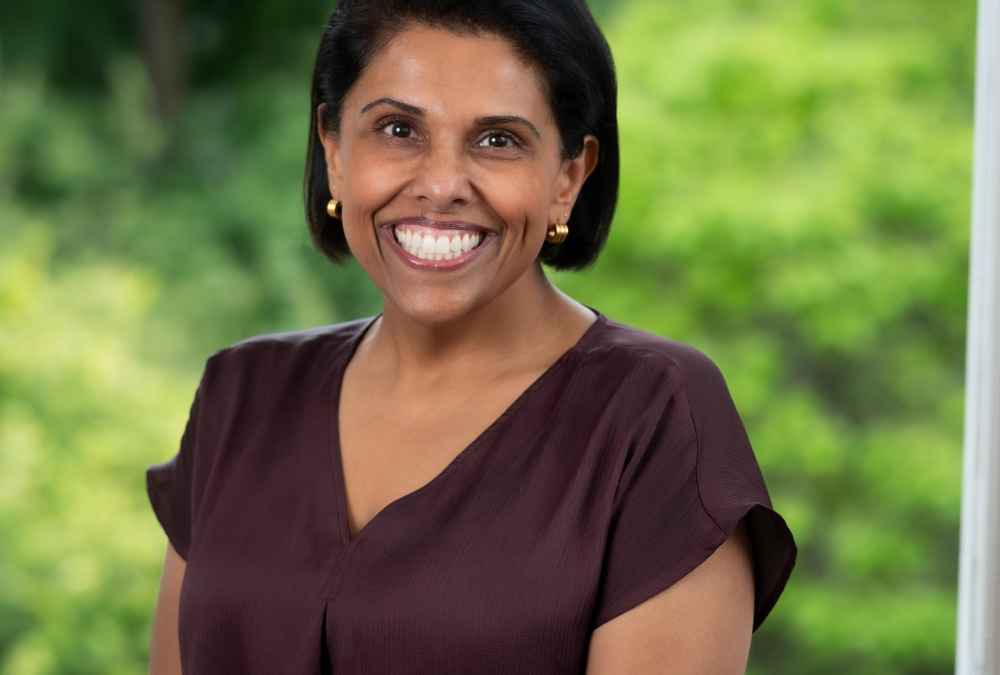
By Sonal R Patel, Partner & Global Head of Investor Brand, Brunswick Group
We need to be careful about the language we use when we talk about “talent shortages” in corporate film and live events. It’s easy shorthand but it’s also increasingly inaccurate.
Right now, many highly capable people across the screen industries are actively looking for work. ScreenSkills’ (the industry led skills body for the UK screen industries) most recent workforce research estimates nearly 190,000 people work behind the camera in the UK, and reports that a significant proportion of freelancers struggled to find consistent work over the past year. That doesn’t feel like a simple shortage. It feels more complex.
At the same time, ScreenSkills and other industry bodies continue to highlight persistent skills gaps, particularly at mid to senior levels. In High End TV research from 2023 to 2024, concerns about outright shortages eased compared to previous years, yet employers still reported gaps in experience, readiness and progression. In other words, there are people in the system, but not always enough who are fully equipped for the demands of certain roles.
That distinction matters.
From where I sit, leading Investor Brand and working daily with boards and executive teams, the issue is rarely volume. It is capability under pressure. When film is being used to land strategy, reassure employees during change, support transactions or build belief with investors, the margin for error is small. Clients need producers who can run complex processes with calm authority. Editors who understand narrative discipline, not just aesthetics. Directors who can draw out authentic leadership presence without over polishing it. Creatives who understand governance, risk and stakeholder reality.
Those capabilities are built over time. They are mentored. They are stress tested. They are not created overnight.
What worries me more than the headline of a shortage is the shape of the pipeline. If entry routes are unclear and poorly supported, young talent won’t hang around. If mid-level professionals can’t see a path to stretch and grow, they plateau or leave. If freelancers experience prolonged instability, we lose experience that isn’t easily be replaced.
There is also a generational dimension. Younger entrants to our industry are navigating a sector that is technologically shifting at pace. AI literacy, data fluency, rights awareness and multi-platform thinking are baseline expectations. Yet structured, funded pathways into corporate film specifically, remain murky compared with other parts of the screen industries. If we are serious about future proofing our craft, we need to invest deliberately in early career development, not assume the market will correct itself.
So, I don’t see a crude talent shortage. I see a market that has become more exacting. I see underemployment alongside capability gaps. I see brilliant people who need clearer progression, and I see clients whose expectations of quality, judgement and accountability have never been higher.
This February conversation shouldn’t be alarmist. It should be honest. Where are the gaps that genuinely threaten quality? Where are we failing to support progression? And how do we, as employers and commissioners, take responsibility for growing the skills we depend on?
Corporate film has matured. It now sits closer to strategy, reputation and capital markets than ever before. That demands depth, not just headcount. If we focus on building depth at every stage of the pipeline, from youth entry to senior craft leadership, the industry will be a lot stronger for it.